Paris Hilton's Baby Voice: Lessons for Trans Voice Training
Jul 17, 2024
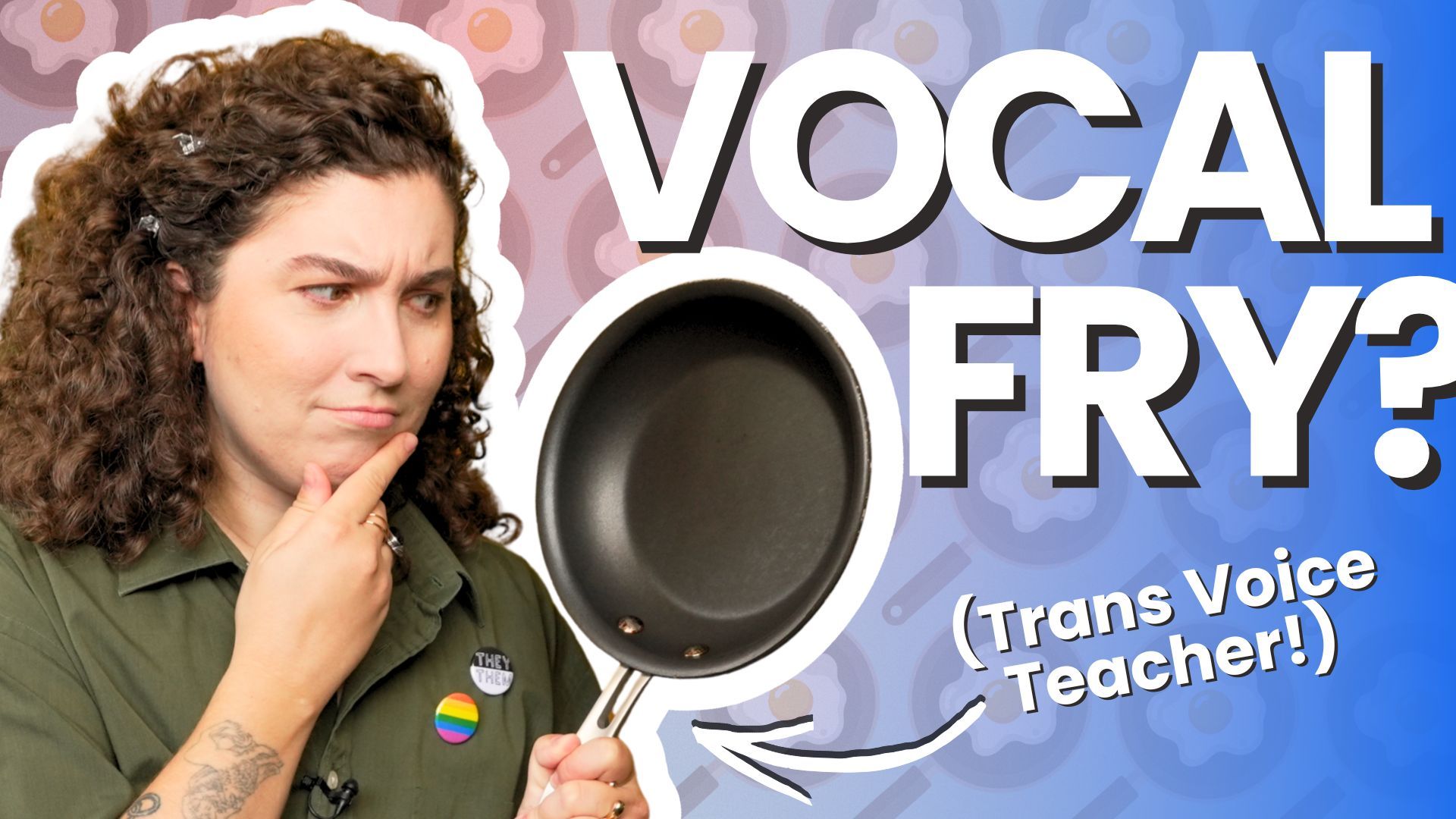
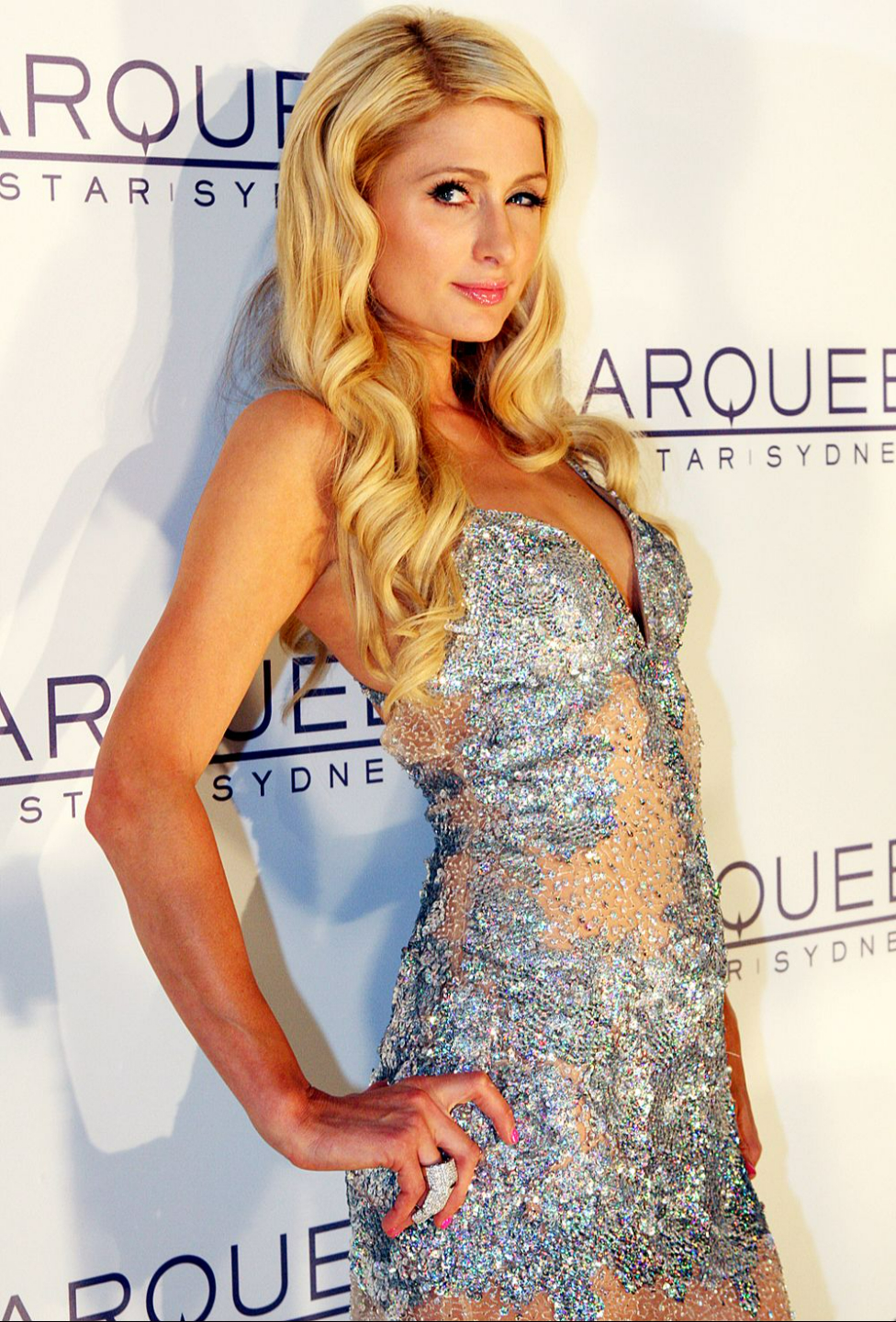
Since 2011, Paris Hilton has been open about her famous "baby voice" being a character she created for The Simple Life. But after playing that character for five years, voice switching became so ingrained that she sometimes finds it hard to control. As a transgender voice coach specializing in gender-affirming voice care, I see Paris Hilton's story as a perfect example of something I work to normalize every day: speaking voice alteration is a perfectly normal part of the human experience.
Paris Hilton was the original influencer, building a massive brand in the 2000s around her It girl persona. Through interviews and clips of her voice switching between her "baby voice" and her deeper speaking voice, we can piece together all the ways this voice served her, both on and off screen, and what it reveals about trans voice training for everyone.
Watch the Full Video
Prefer to read? Keep scrolling for a complete breakdown of Paris Hilton's voice switching and what it teaches us about voice alteration.
What Is Voice Switching?
Voice switching is the practice of consciously or unconsciously shifting between different vocal qualities, pitches, or speaking patterns depending on context, audience, or emotional state. It's something we all do to varying degrees, whether we're aware of it or not.
You might have a voice you use in the office and a different one you use at home. Maybe your phone voice is different from your texting voice (if you could hear it). This is completely normal human behaviour.
For people engaged in trans voice training or voice feminization training, understanding voice switching can be incredibly validating. It shows that voice alteration isn't something "unnatural" or exclusively connected to gender transition. It's a universal human capacity that serves multiple functions.
Three Reasons Paris Hilton Uses Voice Switching
By examining Paris Hilton's own words in interviews, we can identify three major ways her "baby voice" has served her throughout her career.
1. Coping with Stress
In a Glamour interview, Paris revealed that her experience in high school at Provo Canyon School was traumatic. She got through it by imagining the person she would become when she was out of there.
"I created this character because when I was a teenager and I was at Provo Canyon School, it was just so traumatic and miserable that the only thing that got me through there was thinking about who I wanted to become when I got out of there," she explained. "And then when I got out of there, I started shooting The Simple Life, and basically the character came from that."
Her baby voice allowed her to create a version of herself that was free from the trauma she was experiencing. This adaptive use of voice is something many people in trans voice lessons relate to: using voice as a tool to craft a version of yourself that feels safer or more authentic.
2. Creating Boundaries
Since Paris's baby voice was so tied to her work and her brand, switching between voices became an embodied way to create a boundary between work and life.
You can see this clearly in paparazzi footage where she's speaking to a friend in her deeper voice, gets interrupted by a TMZ cameraman, switches to her baby voice to say "Good," and then immediately switches back to her regular voice when resuming conversation with her friend.
If your work and personal life are deeply linked the way Paris's are, switching between your work voice and your personal voice can be a quick way to create a boundary between these spaces.
Can you relate to this? This same principle applies in transgender voice training. Many of my students develop different vocal presentations for different contexts, and that's not only normal, it's healthy.
3. Fawning Response
Today, Paris uses her influence to advocate for survivors of violence in the troubled teen industry. She recently testified in front of the U.S. Congress about her own experiences of abuse.
Since her work has changed, the baby voice no longer serves her professionally the way it did before. However, she's still aware of how this voice can endear people to her and make her seem more friendly and approachable.
In her congressional testimony, you can hear her use her baby voice to make the listener feel more at ease, then switch to a more mature voice to underscore the seriousness of her message. This strategic use of vocal variation is a sophisticated communication tool that people learning voice feminization therapy or feminine voice training can understand and appreciate.
What This Teaches Us About Trans Voice Training
As someone who helps trans people create speaking voices that bring them safety and comfort, it's my personal mission to normalize speaking voice alteration and bring to light that it is a perfectly normal part of the human experience.
Paris Hilton is a perfect example of this.
Today, in any interview with Paris Hilton, you'll hear her weave seamlessly between lots of different colours in her voice. That's how we all create meaning, express emotions, and communicate shifts in tone. If you want to learn more about how voice characteristics work, check out my Gender-Affirming Voice 101 series.
I sometimes read the comments on these clips and interviews with Paris, and people say things like "Oh, she really had us before!" or "She has FINALLY switched to her NORMAL voice."
But if you spend more than five seconds with any clip of Paris Hilton or go back into the archives, you'll find that she has always used voice switching for all the reasons I've outlined today.
And of course, we cannot forget the most loving way she uses her baby voice—with her baby London.
The Universality of Voice Alteration
What makes Paris Hilton's story so valuable for transgender vocal training is that it demonstrates voice alteration in a cisgender context. This helps normalize the practice for everyone.
Whether you're working on MTF voice training online, exploring FTM voice therapy, or simply curious about voice masculinization training or feminizing voice techniques, Paris Hilton's story shows that voice is flexible, adaptive, and changeable for everyone.
Voice switching isn't "fake" or "deceptive." It's a natural human capacity that we all use to navigate different social contexts, manage emotions, and express different aspects of ourselves. Research shows that adapting communication styles in different contexts is universal, though the psychological experiences can vary based on individual circumstances.
Key Takeaways About Voice Switching and Trans Voice Training
Paris Hilton's baby voice story teaches us several important lessons about voice alteration:
Voice switching is universal. Everyone does it to some degree, whether consciously or unconsciously. It's not limited to actors, influencers, or people undergoing gender transition.
Voices serve multiple functions. Paris uses her baby voice for coping with stress, creating boundaries, and managing social interactions. Similarly, people in trans voice training may develop different vocal presentations for safety, comfort, authenticity, or professional contexts.
Voice alteration can become automatic. After five years of using her baby voice for The Simple Life, Paris found it became automatic in certain contexts. This shows how voice training (whether for a TV character or for gender-affirming voice work) can become deeply integrated over time.
There is no single "normal" voice. Paris doesn't have one "real" voice and one "fake" voice. She has a range of vocal expressions that she uses strategically and authentically depending on context. The same is true for everyone, including those pursuing transgender voice training.
If you found this voice case study interesting and want to see more analyses of voices in the future, let me know in the comments on the video!
Also check out my Voice Case Studies playlist on YouTube as well as these related posts:
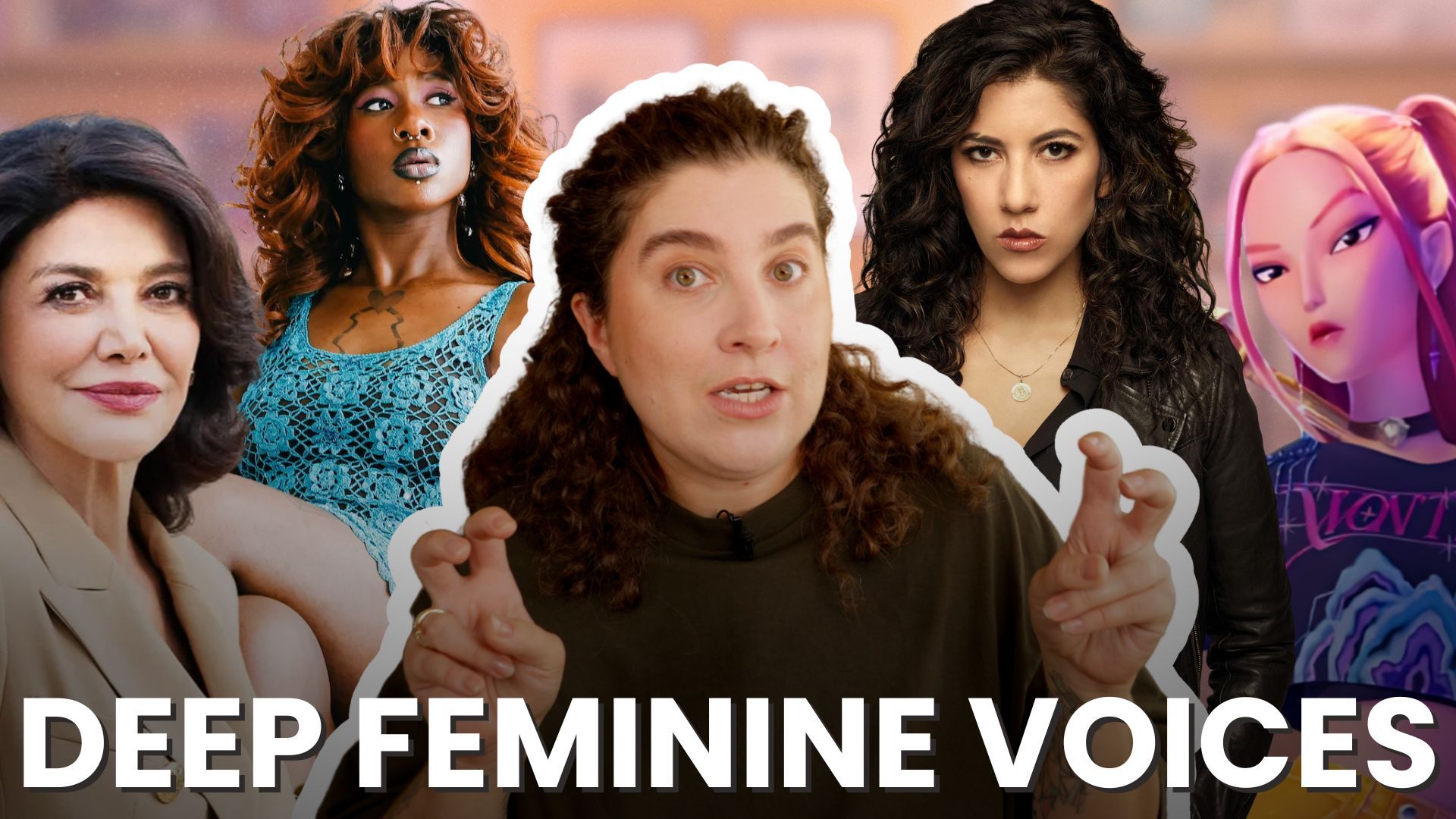
How to Achieve a Deep, Low, Dark Feminine Voice: A Complete Guide
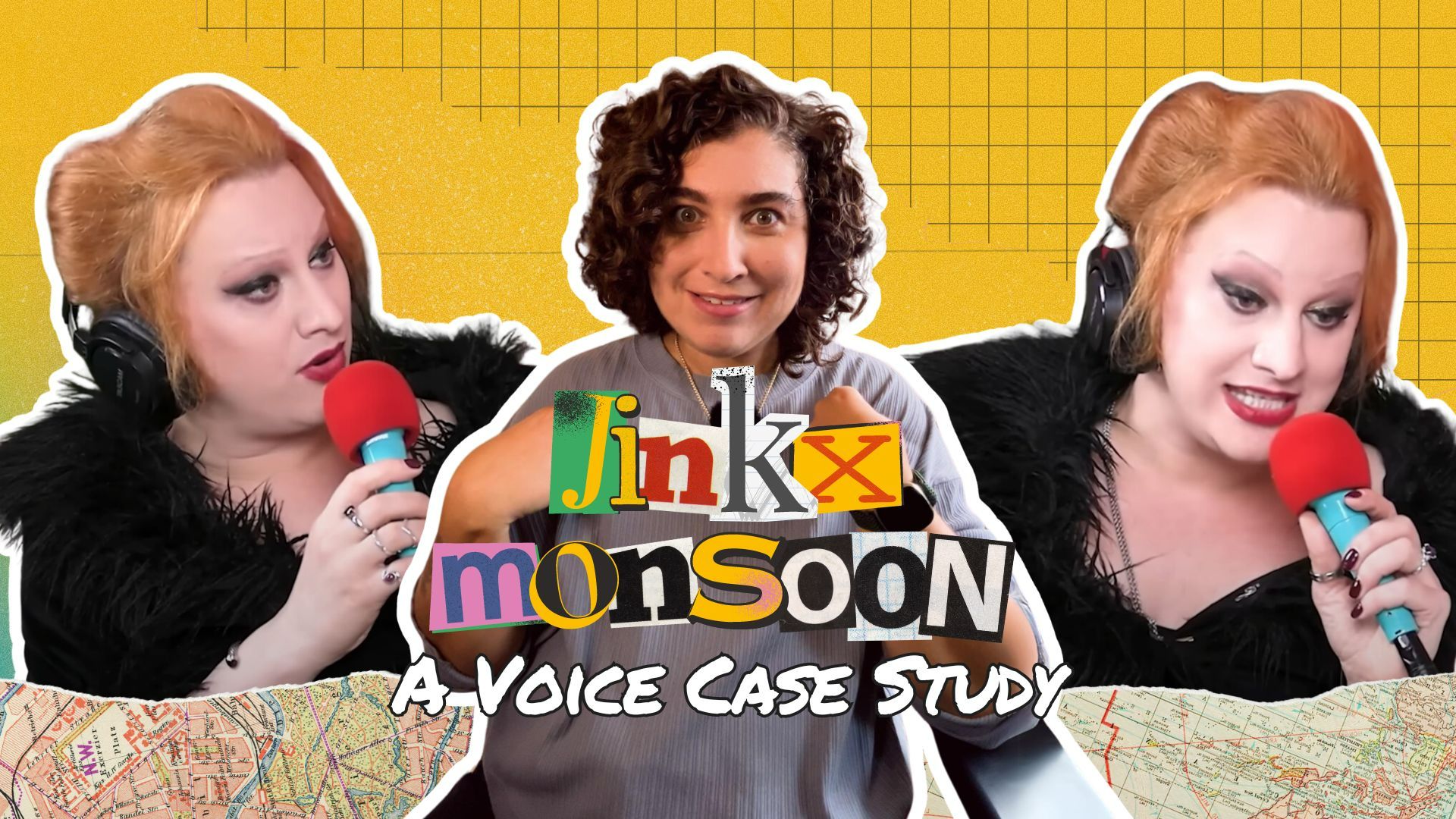
Jinkx Monsoon: A Voice Case Study

Elizabeth Holmes: A Voice Case Study
Free Resources for Voice Training
If you're interested in learning more about voice alteration, whether for gender-affirming purposes or simply to understand your own voice better, explore my freebies library for free voice training resources.
You can also check out my voice feminization playlist on YouTube or explore my course Mindful Voice Feminization for comprehensive trans voice lessons.
Mindful Voice Feminization
Ready to explore your authentic voice?
Sign up for my free one-hour masterclass, Change The Gender of Your Voice: No Hormones or Surgeries Required, and work with a transgender voice coach who understands your journey.
Want weekly tips, resources, and insights on trans voice training? Sign up for my newsletter and get the latest content delivered straight to your inbox. It's free!